Winter Car Maintenance: A Readable, Doable Plan for Real Winter Weather

Winter car maintenance checklist for cold weather: tires, brakes, battery, wipers, fluids, and emergency kits.
Winter car maintenance is not about doing everything at once. It is about keeping your car predictable in winter weather, especially when cold temperatures, snow and ice, and road salt amplify small weaknesses. Use the owner’s manual to confirm service specs, then follow a system that prioritizes safety-critical items first: tires, brakes, visibility, and battery. This guide is built as a winter car maintenance checklist you can run at the start of winter and repeat monthly.
Why Winter Changes Everything
Cold weather thickens fluids, stiffens rubber, and reduces battery output. At the same time, traction drops on icy roads and stopping distances increase. Drivers who stay prepared reduce the chance of getting stuck, protect their vehicle from avoidable wear, and keep winter driving calm instead of stressful.
Quick Setup: Confirm the Baseline
Start with the owner’s manual and verify three things: tire specifications, recommended oil viscosity, and fluid types. This keeps your car in good working order and prevents guessing when winter conditions arrive. If you do not know when key items were last serviced, treat that as a sign to inspect and test them now rather than later.
Winter Car Maintenance Checklist
Follow the sections in order. Each one is written to be fast, clear, and realistic for the winter months.
1) Tires And Tire Pressure: The Traction Gatekeeper
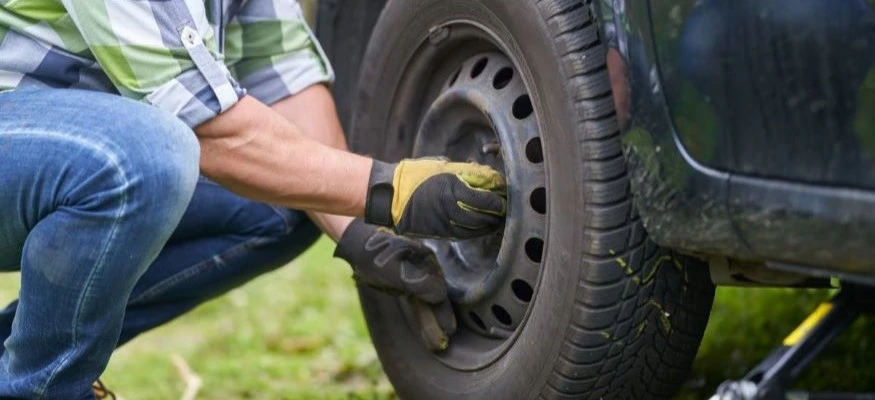
Tires are the foundation of winter driving. When snow and ice cover the road, traction depends on tread depth, rubber compound, and correct tire pressure.
Check tire pressure when tires are cold. Low pressure increases wear, reduces steering stability, and can contribute to poor braking on icy roads.
Inspect tread depth and look for uneven wear. If tread is low, replace the tires before the first major storm. Worn tread is one of the clearest signs that your car is not ready for winter weather.
If you drive in heavy snow, consider snow tires. Snow tires stay flexible in cold temperatures and improve traction where all-season tires struggle.
Confirm your spare tire is in good shape and inflated. A flat spare in winter conditions is a bad surprise.
Action: Inspect tires, confirm tire pressure, check tread, and replace worn tires before winter ramps up.
2) Brakes: Keep Stopping Predictable On Icy Roads
Brakes matter more in winter because the road gives you less grip. You want stable, repeatable stopping, even when the surface is cold, wet, or icy.
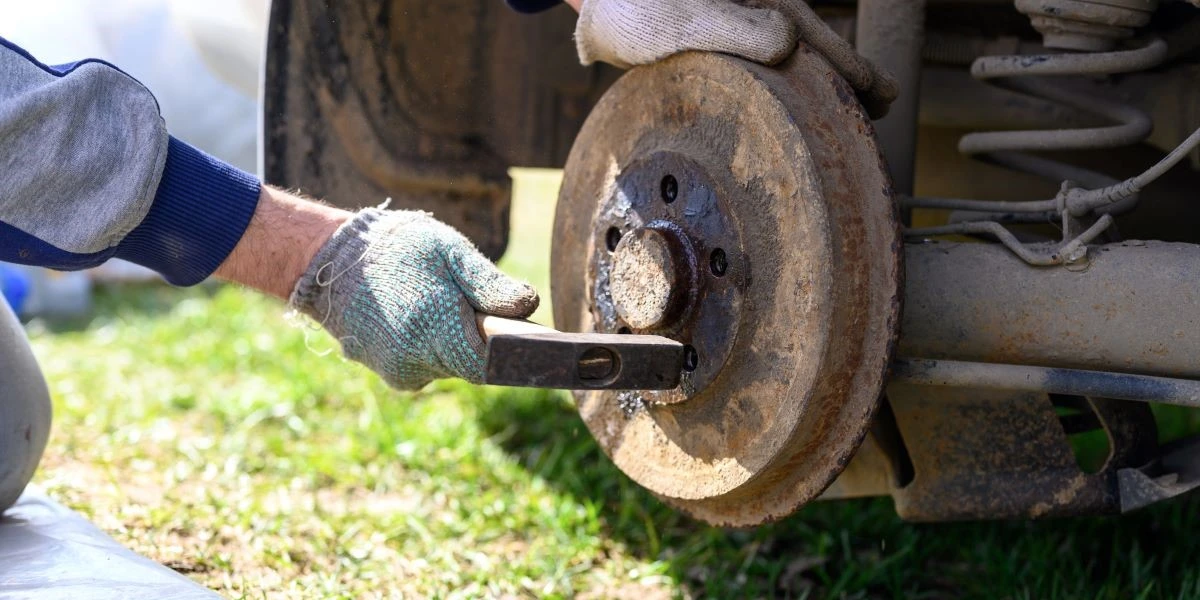
Listen for squeals, grinding, or scraping. These are signs of pad wear or rotor issues.
Pay attention to pedal feel. A soft pedal, vibration, or pulling can signal problems that get worse in winter weather.
Inspect brake pads and rotors. If they are near the limit, replace them now. Brakes are not a “later” item when snow and ice are common.
If brake fluid is old or contaminated, it can reduce performance. A basic inspection during a service visit is worth it.
Action: Inspect brakes, test stopping feel in a safe area, and replace worn brake components early.
3) Battery And Starting System: The Most Common Winter Failure
Battery performance drops in cold weather, especially during short trips. A battery that seems fine in summer can fail the first time cold temperatures hit.
Test the battery if it is older, if starts are slow, or if lights dim during cranking. A quick test can prevent a no-start morning.
Clean corrosion on terminals and ensure connections are tight. Poor contact can mimic a weak battery.
If you experience repeated slow starts, inspect the charging system and starter draw. Keeping the electrical system in good condition is essential for winter driving reliability.
Carry a plan. A jump pack is often faster than waiting for roadside help in winter conditions.
Action: Test the battery, inspect terminals, and fix weak starting behavior before winter storms arrive.
4) Visibility: Windshield Wipers, Wiper Fluid, And Clear Windows
Visibility is a safety system. In winter weather, you cannot afford streaking glass or frozen spray.
Replace windshield wipers if they streak or chatter. Wiper blades harden and lose contact when temperatures drop. If you only do one small upgrade, replace wiper blades before winter.
Use windshield wiper fluid rated for freezing. Windshield wiper fluid that is not winter-safe can freeze and block the system. Keep extra wiper fluid in the vehicle if you drive long distances.
Clean the inside of windows to reduce fogging. Check that the heater and defroster clear the windshield quickly.
Wash road film and salt off your glass regularly. Road salt residue can smear and reduce clarity at night.
Action: Replace windshield wipers, top up windshield wiper fluid, verify heater/defrost performance, and keep windows clean.
5) Fluids And Engine Protection: Reduce Cold-Start Wear
Your engine works harder in winter, especially on cold starts. The right fluids reduce wear and improve drivability.
Confirm the correct oil for winter based on the owner’s manual. Oil that is too thick at low temperatures increases startup wear and can cause sluggish response.
Check coolant level and concentration to prevent freezing and overheating. Coolant issues can become serious fast in winter weather.
Inspect for leaks under the vehicle. Small drips often become bigger in winter conditions.
If the engine runs rough at startup or stalls, do not ignore it. Cold weather exposes marginal components and small fuel or air problems.
Action: Confirm oil spec, inspect coolant, check for leaks, and address engine symptoms early.
6) Belts, Hoses, And Rubber Parts: Prevent Sudden Failures
Rubber parts age, and winter accelerates cracks and failure. Belts and hoses are inexpensive compared to a tow or a breakdown in snow.
Inspect belts for fraying, glazing, and cracks. If belts show wear, replace them proactively.
Check hoses for swelling, softness, or leaks. Cold temperatures make weak hoses fail.
Look for signs of dry rot on seals and boots. If you see cracking, that is a sign to replace the worn part before it fails.
Action: Inspect belts and hoses, replace worn belts, and fix leaks before the coldest days.
7) Underbody And Road Salt: Protect Long-Term Value
Road salt is a silent killer for the vehicle underbody. Over a season, it accelerates corrosion and creates expensive repairs.
Wash the undercarriage after storms when possible. A simple wash can save hardware and extend component life.
Inspect brake lines, fasteners, and exposed metal surfaces for early corrosion. Small signs now can become major problems by spring.
Action: Wash after salted roads and inspect vulnerable areas during routine maintenance.
8) Emergency Readiness: Be Prepared To Get Stuck
Winter driving is unpredictable. Even a well-maintained car can end up stuck due to snow, ice, or a sudden storm. A simple kit helps drivers stay safe.
Core kit items:
- Flashlight and extra batteries
- First aid kit
- Warm gloves and a blanket
- Snow shovel
- Kitty litter for traction if you get stuck
- Phone charger
Keep the kit in the vehicle throughout the winter months, not just on road trips. This is not overkill; it is being prepared for winter conditions.
Action: Build the kit once, store it neatly, and check it monthly.
9) A Simple Monthly Routine That Keeps Everything In Good Condition
You do not need a complicated schedule. You need a repeatable routine.
Once a month:
- Check tire pressure and inspect tires for wear and tread changes
- Test the battery behavior during startup and inspect terminals
- Inspect windshield wipers and top up wiper fluid
- Listen for brake noise and test braking feel in a safe place
- Wash off road salt after major storms
These tips keep the car in good shape, reduce surprises, and keep winter car maintenance manageable.
Smart Buying Strategy: Replace What Matters Most First
If budget is limited, prioritize in this order:
- Tires and tire pressure issues first, because traction affects every maneuver
- Brakes second, because stopping distance is critical on icy roads
- Battery third, because a no-start event ruins schedules and can be unsafe
- Windshield wipers and wiper fluid next, because visibility prevents accidents
- Belts, hoses, and fluids after that, because they prevent breakdowns and engine wear
This approach helps you save money by preventing emergencies and minimizing secondary damage.
Auto Parts Deals And A Clean Path To Action
If you identify worn components during your inspection, plan your shopping with a list: tires, brake parts, battery, wiper blades, and any belts that show cracks. Look for auto parts deals when you are replacing multiple maintenance items at once, and group orders to reduce shipping costs. When you are ready to act, shop auto parts online using your vehicle details to improve fit accuracy and avoid returns.
Final Winter Vehicle Safety Check
A winter vehicle safety check is not one task. It is a system that keeps your car stable in winter weather: reliable traction, predictable brakes, strong battery starts, clear visibility, and basic emergency readiness. Inspect what matters, test what can fail, replace what is worn, and stay prepared for snow and ice. If you do that, winter driving becomes routine instead of risky